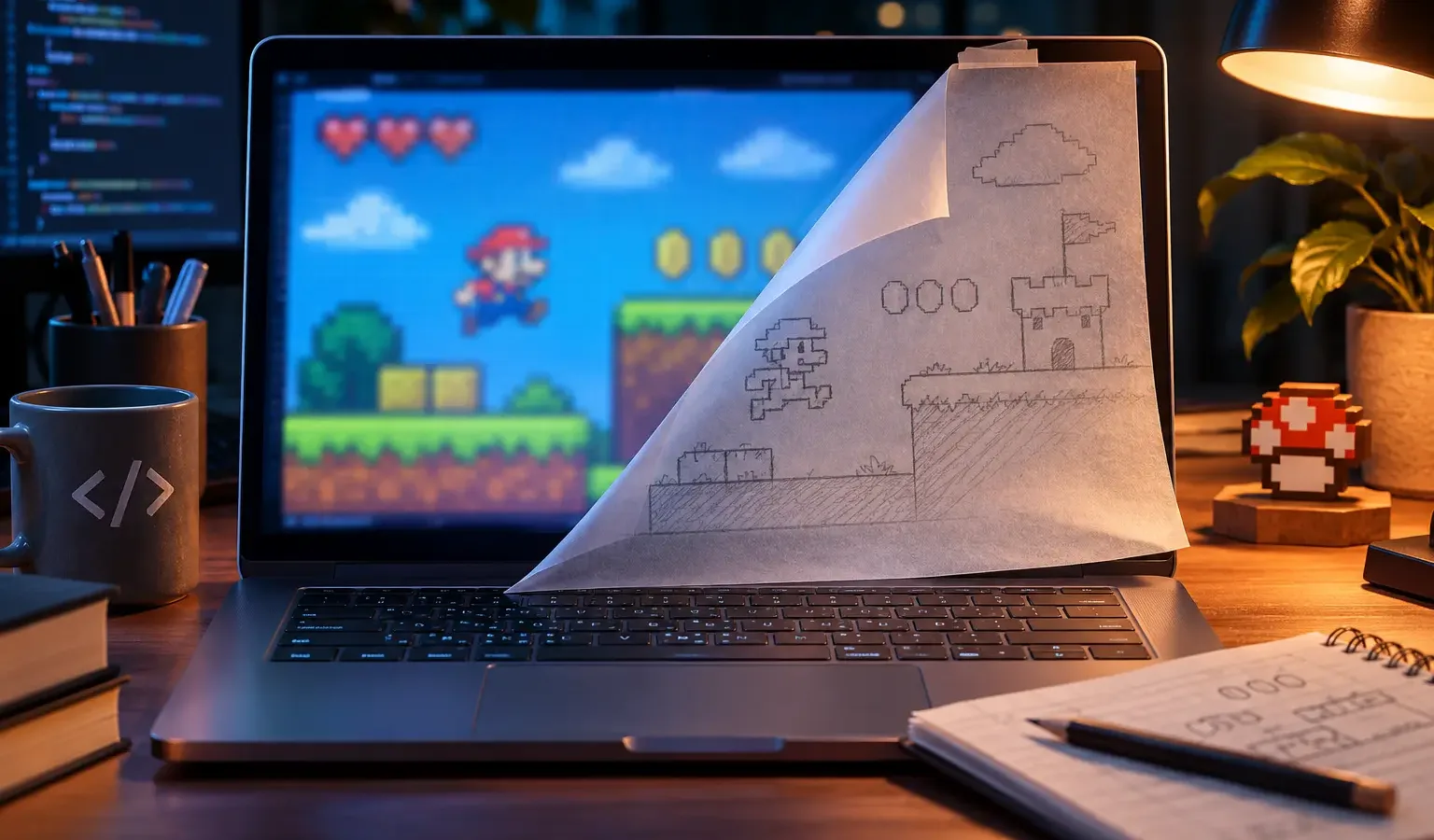

Anthropic has told Claude Code to stop building copies of other people’s video games. It took two sentences, pushed quietly from Anthropic’s servers, and Claude Code game clones were off the menu.
I understand why Anthropic did it, and I have no sympathy for anyone selling a renamed copy of someone else’s game. I still think this is the wrong fix. Here’s why.
What Changed in Claude Code
Users spotted a new instruction in Claude Code around October 27, under an internal flag called tengu_heron_brook. It allows original games, games in a genre, and games built from your own designs and assets. It rules out recreating a specific existing game, “even if it is renamed or called original.”
On October 30, Addy Osmani from Anthropic’s technical staff confirmed it on X, as PC Gamer reports. He said the two sentences were added to Claude Code’s prompt on Opus 5.5, because using Claude to infringe intellectual property (IP) already breaks Anthropic’s usage policy. He also asked anyone whose own game gets refused to send it to him.
| What you ask for | What the rule says |
|---|---|
| An original game you designed | Allowed |
| A game in a genre, like a platformer or a roguelike | Allowed |
| A game built from your own designs and assets | Allowed |
| A specific existing game | Not allowed |
| That same game under a new name | Still not allowed |
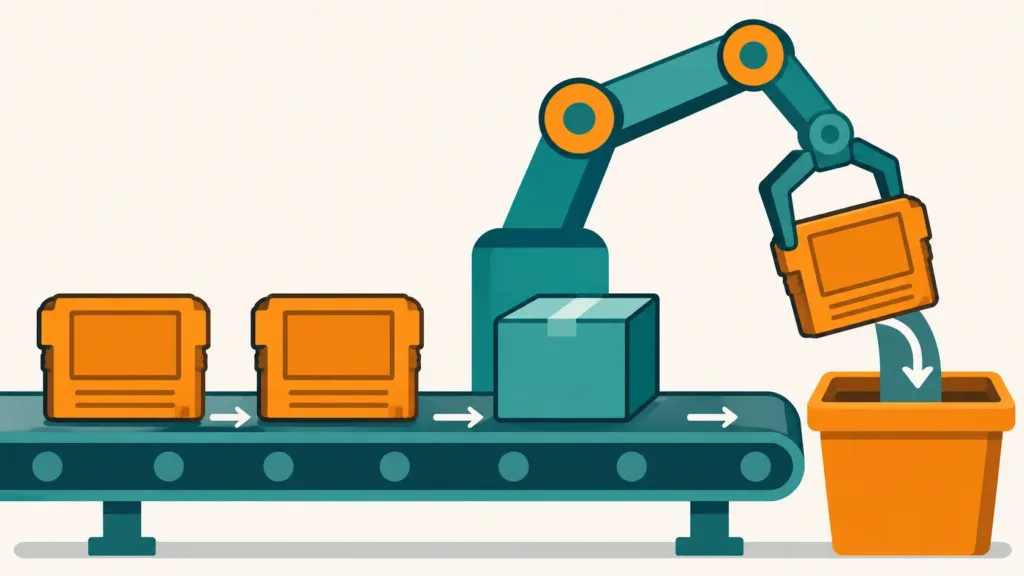
There’s no setting to switch it off. As far as reporters could find, Anthropic hasn’t published a changelog entry or a help article about it either.
Why Anthropic Did It
The background is ugly. Steam has spent weeks filling up with low-effort, AI-made games, many of them close copies of existing titles. According to the same PC Gamer piece, the latest Steam Next Fest had twice as many demos as the one before, and AI-assisted games made up most of the increase.
Some studios have stopped releasing public demos, because a demo’s code can now be pulled apart and cloned within days. The team behind Moonlighter is one of them. Opus 5.5 is very good at reverse engineering, which means reading compiled code and working out how it was built.
Valve, which runs Steam, says it doesn’t want to police which tools developers use. So a lot of people wanted somebody to do something, and Anthropic did.
Why I’m Against the Claude Code Game Clones Rule
Claude can’t check who owns what
The whole rule turns on ownership: your game is fine, someone else’s isn’t. A model in a terminal can’t see your contracts. It can’t tell a licensed port from a stolen one, or your old game from a famous one.
The results are already showing up on Claude Code’s GitHub issue tracker. Developers describe refusals arriving halfway through projects that worked fine the day before, while adding a single game mechanic, and while patching a tabletop-style game. The only appeal process anyone has described is messaging one engineer on X. That’s kind, but it isn’t a process.
It stops the honest people first
Someone determined to clone a game has options. Other AI providers don’t have this rule, and local AI models don’t have anyone watching at all. Some users are already saying they’ll move.
The developer who pays for Claude Code and works in the open is the one who gets stopped. The person flooding Steam with knockoffs loses an afternoon.
It’s guarding the wrong door
Copying games isn’t new, and the law already has an answer for it. Game ideas and mechanics are hard to protect. The art, characters, names, and code are not. In 2012 a US court ruled that a Tetris clone called Mino infringed on Tetris, because it copied the look of the game, not only the rules.
The bad clones on Steam cause damage when they’re sold, and selling happens on the store, not in the editor. A refusal inside one coding tool is a speed bump on a side street while the main road stays open.
The rule also leaves a basic question unanswered. Writing Snake, Pong, or Tetris is how a huge number of people learn to program. Is “build me Snake” a recreation of a specific existing game? The two sentences don’t say, and a model guessing at the answer isn’t a policy.
Quiet rules break trust
This rule arrived from a server, behind an internal flag name, with no announcement and no toggle. Claude Code is a paid tool that people build their work on. When its behavior changes overnight, users deserve to hear it from Anthropic first, not from a screenshot on X.
It’s the same complaint I had about Google’s Manifest V3 changes. The company owns the rules, and everybody else finds out when something stops working.
What to Do If Claude Code Refuses Your Game
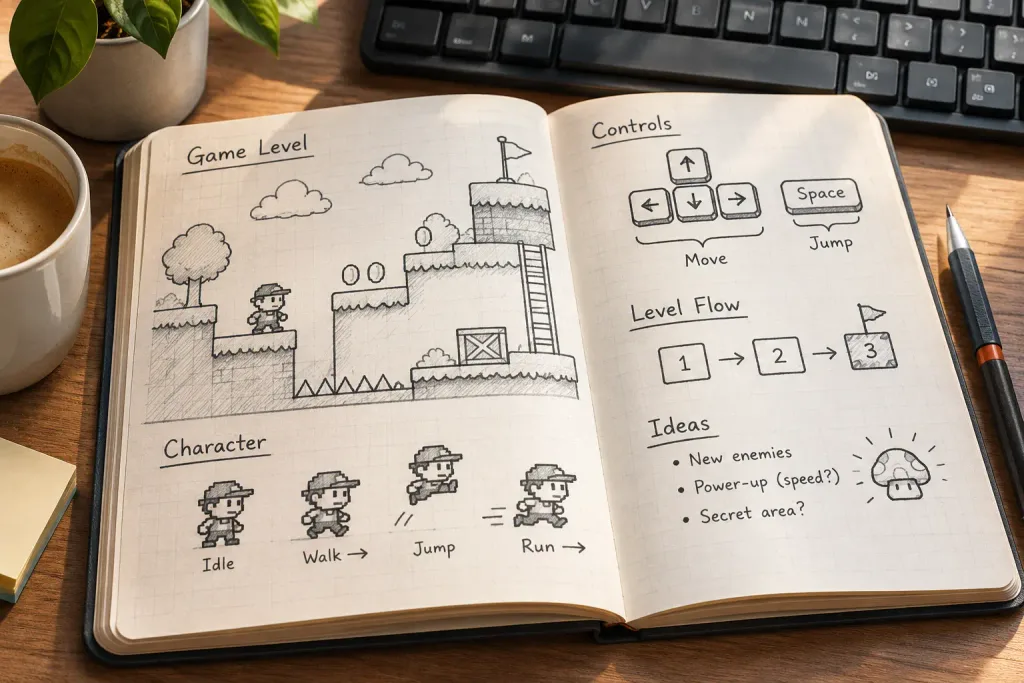
- Describe your own design. Talk about the genre, the mechanics, and your assets instead of “make it like X.”
- Say up front if the game is yours or licensed. Put it in your first message and in the repo’s README. It may not be enough, but it’s your best shot.
- Commit your work often. A refusal halfway through a session can cost you context, so don’t let a long session hold your only copy.
- Report false refusals. File a GitHub issue with the exact request and the exact refusal. Specific examples are what gets a rule like this fixed.
Pro Tip: Keep a short design document in your repo that describes your game in your own words: core loop, controls, art style, win condition. Point Claude Code at it at the start of each session. It tells the model what you’re building and keeps the conversation away from comparisons to other games.
The Verdict
The intent is right. Indie developers shouldn’t have to hide their demos, and an AI company shouldn’t make cloning one prompt away.
The mechanism is wrong. A two-sentence prompt can’t tell a thief from an owner, it barely slows down people who want to cheat, and it arrived without a word of warning. Anthropic says it will keep adjusting the balance. I hope that adjustment includes a proper way to prove a game is yours.
Frequently Asked Questions
Did Anthropic ban Claude from making games?
No. Original games, games in a genre, and games built from your own designs and assets are still allowed. The rule targets recreations of a specific existing game.
Does the rule apply to the regular Claude app?
The confirmed change is in Claude Code’s prompt on Opus 5.5. Anthropic’s usage policy already prohibits using Claude to infringe IP everywhere, but this specific instruction was confirmed for Claude Code.
Can I still make a game inspired by another game?
Yes, if it’s your own design in the same genre. A renamed copy of one specific game is what the rule blocks.
What should I do if Claude Code refuses my own game?
Explain that the game is yours, describe it in your own terms, and report the refusal on Claude Code’s GitHub issue tracker with the exact prompt and response.