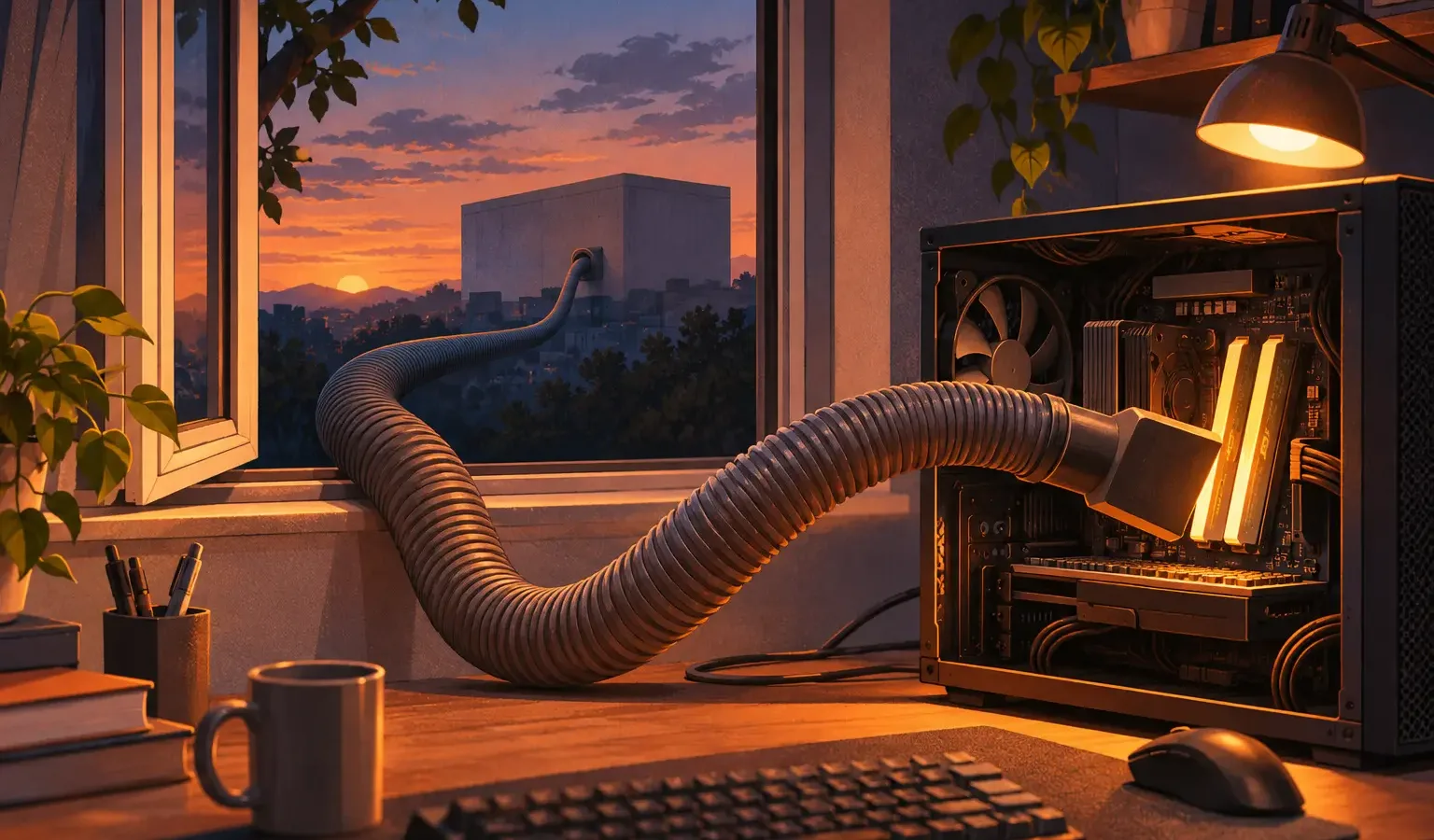

Your umbrella spends most of the year in a closet. Your fire extinguisher, if life goes well, will never be used at all. By the reasoning OpenAI’s CEO shared last week, both are a scandal.
He wasn’t talking about umbrellas. He was talking about the memory in your computer, and the Sam Altman RAM take has been the internet’s favorite punching bag all weekend. It deserves every punch.
What He Actually Said
On Stripe’s Cheeky Pint podcast, Altman told host John Collison that, from a global allocation perspective, it’s “quite terrible” for everyone to keep a share of the world’s limited DRAM in their own computers, where he says it gets used about 5% of the time. His fix is to put the memory in the cloud, where it can run flat out.
DRAM is the technical name for RAM, the short-term memory your computer works in. When you open an app, it moves from your SSD into RAM so it can run fast.
Some context, because even a roast needs facts. He was answering the idea that running AI models at home could ease the pressure on data centers. He wasn’t asking you to pull the sticks out of your motherboard. He was arguing that your memory would be more useful in his building than in your house.
I’m not sure that’s the improvement his defenders think it is.
The Sam Altman RAM Logic, Applied to Everything
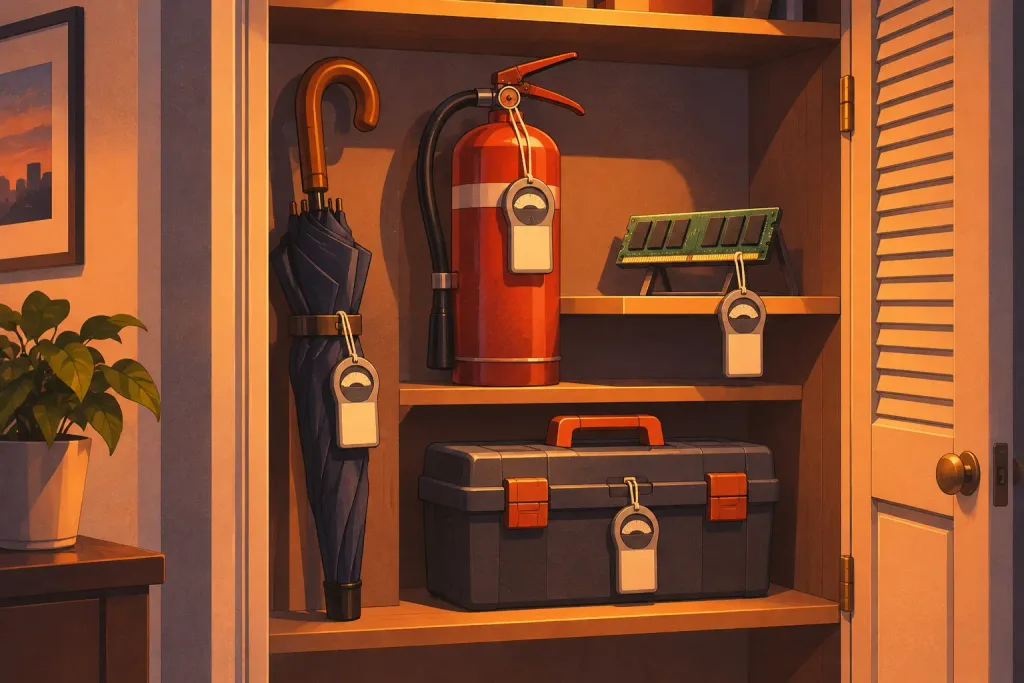
Once you accept that anything idle 95% of the time is a crime against global allocation, a lot of your home starts looking guilty.
- Your car spends most of its life parked. Sell it and rent rides by the minute.
- Your spare bedroom sits empty until relatives visit. List it.
- Your toolbox gets opened twice a year. Donate it to a tool library.
- Your fire extinguisher has a utilization rate of zero. Ship it to a data center, where things are far more likely to catch fire.
There’s a word for all of these “wasted” things, and the word is “mine.” The point of owning something is that it’s there the moment you need it, without asking anyone, paying a meter, or waiting in a queue.
Your RAM Isn’t Idle. It’s on Call.
The 5% figure also undersells what memory does. The RAM in your PC isn’t parked waiting for an AI model. It runs your operating system, your games, your code editor, every browser tab you swear you’ll read later, and that one chat app that needs a frankly unreasonable amount of memory to show a text box.
Modern operating systems also hate leaving memory empty. Linux, for one, fills unused RAM with cached copies of files you’ve opened recently, so they load faster next time. Your “idle” RAM is already doing what Altman wants it to do: being useful. It’s just being useful to you.
Then there’s timing. Memory works like that fire extinguisher. The 5% of the time you need it is the only 5% that matters, and nobody wants their compile, render, or boss fight waiting for a slot in someone else’s server.
Pro Tip: If anyone tells you your RAM is mostly idle, check for yourself. On Linux, run
free -hin a terminal and look at the buff/cache column. On Windows, open Task Manager, go to Performance, then Memory, and look at Cached. That’s your “wasted” memory, quietly speeding things up.
Complaints From the Biggest Buyer in the Room

Here’s where the take goes from silly to impressive.
In October 2025, OpenAI announced that Samsung and SK hynix would scale memory production toward 900,000 DRAM wafer starts per month for its Stargate data centers. SK described that as more than double the industry’s capacity for high-bandwidth memory, the stacked kind AI chips run on.
Memory makers followed the money. TrendForce reported that conventional DRAM contract prices jumped roughly 93% to 98% in the first quarter of 2026, with the big three suppliers steering production toward pricier server memory. Its September forecast still has prices climbing another 10% to 15% this quarter.
Contract prices are what PC makers pay chip suppliers, not the sticker at your local store. You’ve seen where they end up